Personalized Medical Care & Dedicated International Patient Concierge

Pain Relief & Recovery · Consultation Required
Ligament Strengthening Injection
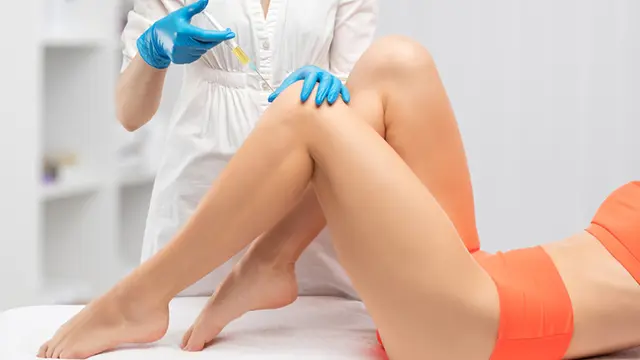
Ligament strengthening injection therapy is a non-surgical regenerative treatment designed to address one of the most common and clinically underappreciated sources of chronic musculoskeletal pain — weakened, lax, or damaged ligaments and tendons that have lost their structural integrity and.
Schedule a Consultation
What Is Ligament Strengthening Injection Therapy?
Ligament strengthening injection therapy is a non-surgical regenerative treatment designed to address one of the most common and clinically underappreciated sources of chronic musculoskeletal pain — weakened, lax, or damaged ligaments and tendons that have lost their structural integrity and can no longer adequately support the joints and movement patterns they are designed to stabilize.
Ligaments and tendons have a notoriously limited blood supply compared to muscle tissue — which means that when they are stretched, partially torn, or chronically overloaded, their capacity for spontaneous repair is significantly restricted. Conventional pain management approaches that focus on reducing inflammation or relaxing surrounding muscles often fail to address this underlying structural weakness — providing temporary relief without resolving the connective tissue deficit that is generating the pain in the first place.
Ligament strengthening injection therapy works differently. By delivering a regenerative solution directly into the weakened ligament or tendon tissue, the injection stimulates the body's own repair mechanisms — triggering a controlled healing response that promotes the regeneration of new connective tissue fibers, increases ligament and tendon thickness and strength, and restores the structural support that pain-generating joint instability requires. Over a course of treatment, the strengthened connective tissue provides more effective joint stabilization — reducing the abnormal movement and mechanical stress that generates pain and protecting the joint from further damage.
At Centum Yeon Clinic, ligament strengthening injection is administered personally by Dr. Yung Kim — a physician whose deep understanding of human anatomy and extensive clinical experience in pain management allow him to accurately identify the specific ligament and tendon structures generating each patient's pain and deliver injection therapy with the precision that effective connective tissue regeneration requires.
Who Is a Candidate for Ligament Strengthening Injection Therapy?
Ligament strengthening injection therapy is appropriate for patients experiencing chronic pain that originates from weakened, lax, or damaged ligaments and tendons — particularly those whose pain has not responded adequately to rest, physical therapy, or anti-inflammatory treatment because its underlying cause is structural connective tissue insufficiency rather than acute inflammation alone.
You may be an ideal candidate if you:
Are experiencing chronic joint or musculoskeletal pain — including back, neck, shoulder, knee, or ankle pain — that has persisted despite conventional treatment
Have a history of ligament or tendon injury — including sprains, partial tears, or chronic overuse damage — that has not fully healed and continues to generate pain or instability
Experience joint instability or a sense of looseness in a joint that makes normal movement uncomfortable or unreliable
Have chronic lower back pain associated with sacroiliac joint or lumbar ligament laxity that has not responded to muscle-focused treatment
Suffer from recurring pain at the same joint or tissue site despite periods of rest and conservative management — suggesting an underlying structural deficit rather than purely inflammatory cause
Want a non-surgical regenerative approach to connective tissue strengthening that addresses the structural source of pain rather than managing symptoms alone
Have been advised to consider surgical intervention for a ligament or tendon condition and want to explore a non-surgical regenerative alternative first
Are receiving other pain management treatments — such as TPI injection or IV infusion therapy — and want complementary structural support to address the connective tissue dimension of your pain
Are in your 30s to 70s and experiencing the cumulative effects of ligament and tendon weakening associated with aging, physical demand, or previous injury
Are an international patient seeking physician-administered regenerative pain management during a visit to Korea
A consultation with Dr. Yung Kim will assess your pain pattern, joint stability, connective tissue condition, and clinical history to determine whether ligament strengthening injection is the most appropriate treatment for your specific pain presentation and recovery goals.
Meet Dr. Yung Kim — Regenerative Pain Management Specialist at Centum Yeon Clinic
|
Dr. Yung Kim Dermatology Expert |
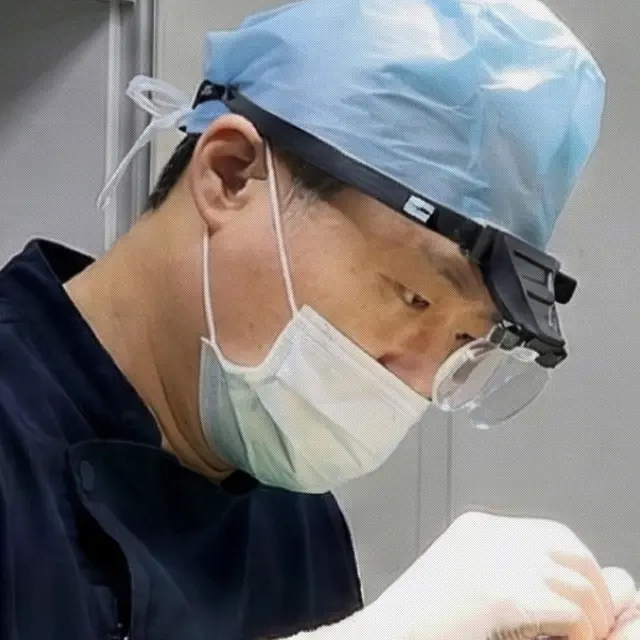
Dr. Yung Kim, founder and lead physician of Centum Yeon Clinic, brings a depth of anatomical expertise and regenerative medicine experience to every ligament strengthening injection he performs. A graduate of Kosin University College of Medicine, Dr. Kim has developed a thorough understanding of human anatomy — the precise knowledge of ligament and tendon structure, joint mechanics, and connective tissue biology that accurate regenerative injection therapy demands.
His background in regenerative medicine is formally recognized and clinically deep. As Clinical Key Doctor for BENEV MGF Growth Factor Therapy, Dr. Kim works at the forefront of regenerative biological science — understanding how growth factors, cellular signals, and tissue environment interact to drive connective tissue repair and regeneration. This regenerative science expertise informs every aspect of how he designs and administers ligament strengthening injection protocols at Centum Yeon's Pain Clinic — ensuring that injection placement, solution selection, and treatment sequencing are all calibrated to maximize the regenerative response in each patient's specific connective tissue.
His membership in the Korean Anti-Aging Society further reflects a practice philosophy that understands connective tissue health as a fundamental dimension of physical vitality and quality of life — one that deteriorates with age and physical demand but can be meaningfully supported through physician-supervised regenerative intervention. Dr. Kim approaches ligament strengthening injection not as a symptomatic pain treatment but as a structural regenerative therapy — one designed to restore the connective tissue integrity that the body needs to support pain-free, stable, and graceful movement.
At Centum Yeon Clinic, Dr. Kim performs every ligament strengthening injection personally — assessing each patient's specific connective tissue condition, identifying the precise structures requiring regenerative support, and administering injections with the anatomical accuracy that effective ligament and tendon therapy demands. Consultations and care are available in Korean, English, Japanese, Chinese, and Indonesian, ensuring full accessibility for international patients seeking regenerative pain management in Korea.
What Does Ligament Strengthening Injection Therapy Address? Treatment Areas and Expected Improvements
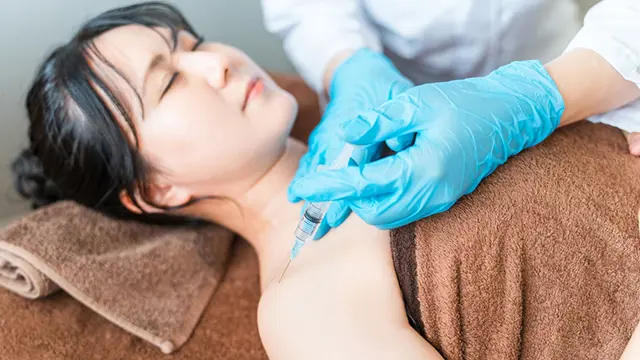
Ligament strengthening injection therapy at Centum Yeon Clinic targets the specific ligament and tendon structures generating each patient's pain — with treatment areas determined individually through clinical assessment rather than applied from a standard anatomical protocol.
- Lumbar and Sacroiliac Ligaments — Chronic Lower Back Pain and Spinal Stability The ligaments of the lumbar spine and sacroiliac joints are among the most common sites of chronic pain-generating connective tissue weakness — particularly in patients with a history of lower back injury, repetitive physical demand, or the cumulative ligament laxity that develops with age. When these ligaments weaken or become lax, they fail to provide adequate stabilization of the lumbar spine and sacroiliac joints during movement — generating chronic lower back pain, a sense of spinal instability, and the recurring inflammatory episodes that characterize sacroiliac joint dysfunction.
Ligament strengthening injection therapy delivered to the lumbar and sacroiliac structures by Dr. Kim targets the specific connective tissue sites generating spinal instability and pain — stimulating regenerative repair in the weakened ligament fibers and progressively restoring the structural support that pain-free lumbar function requires. Patients with lumbar and sacroiliac ligament laxity frequently report meaningful reductions in lower back pain intensity and improved spinal stability over the course of treatment, with continued improvement as regenerated connective tissue matures and strengthens. Individual outcomes vary and no specific result is guaranteed.
- Cervical Ligaments and Neck Structures — Neck Pain, Instability, and Postural Support Cervical ligament weakness is a frequently overlooked contributor to chronic neck pain — particularly in patients with a history of whiplash injury, prolonged postural stress, or degenerative cervical changes that have progressively reduced the structural support provided by cervical connective tissue. When cervical ligaments become lax or insufficient, they generate not only local neck pain but contribute to the chronic muscle tension that develops as surrounding musculature attempts to compensate for inadequate ligament stability — creating a cycle of muscle overload and pain that is difficult to resolve through muscle-focused treatment alone.
Ligament strengthening injection therapy at the cervical level addresses this structural deficit directly — stimulating regenerative repair in the weakened cervical ligaments and progressively reducing the instability that drives both local pain and compensatory muscle tension. When combined with TPI therapy targeting cervical trigger points within the Chronic Pain Management protocol, cervical ligament strengthening provides a comprehensive approach to neck pain that addresses both its structural and myofascial dimensions simultaneously.
- Knee and Ankle Ligaments — Joint Stability and Chronic Joint Pain Relief Knee and ankle ligament injuries are among the most common causes of persistent joint pain and instability — with partial ligament tears, chronic sprains, and repetitive strain injuries frequently failing to heal completely through rest alone due to the limited vascularity of ligament tissue. Patients with incompletely healed knee or ankle ligaments experience ongoing joint pain, a sense of instability during movement, and recurring inflammatory episodes that significantly affect their capacity for comfortable physical activity.
Ligament strengthening injection therapy at the knee and ankle delivers regenerative support directly to the affected ligament structures — stimulating new connective tissue fiber formation, increasing ligament thickness and tensile strength, and progressively restoring the joint stability that pain-free knee and ankle function requires. Patients undergoing ligament strengthening injection for knee or ankle pain frequently report meaningful improvements in joint stability, reduced pain during movement, and a greater sense of confidence in their affected joints over the course of treatment.
- Shoulder Ligaments and Tendons — Rotator Cuff Support and Shoulder Stability Shoulder pain originating from ligament laxity and tendon weakness — including rotator cuff tendinopathy, glenohumeral instability, and acromioclavicular joint dysfunction — represents one of the most functionally limiting musculoskeletal conditions affecting patients across a wide age range. When shoulder ligaments and tendons are insufficient to stabilize the shoulder joint through its full range of motion, pain, restricted mobility, and progressive functional limitation result — often accompanied by chronic compensatory tension in the surrounding musculature.
Ligament strengthening injection therapy at the shoulder targets the specific connective tissue structures generating instability and pain — stimulating regenerative repair in weakened rotator cuff tendons and shoulder ligaments and progressively restoring the structural support that pain-free shoulder function and full range of motion require. Combined with TPI therapy for compensatory muscle tension and IV infusion support for systemic anti-inflammatory and nutritional recovery, shoulder ligament strengthening provides a comprehensive non-surgical approach to shoulder pain that addresses its structural, myofascial, and systemic dimensions together.
The Ligament Strengthening Injection Treatment Process at Centum Yeon Clinic
1. Personal Consultation and Connective Tissue Assessment
Your treatment begins with a thorough consultation with Dr. Yung Kim. Your pain history, joint stability, previous injury or treatment history, physical demands, and recovery goals are discussed in full detail. Dr. Kim performs a clinical assessment to identify the specific ligament and tendon structures contributing to your pain — applying his deep anatomical expertise to locate the precise connective tissue sites requiring regenerative support.
2. Treatment Protocol Design
Based on your assessment, Dr. Kim designs your ligament strengthening injection protocol — including the specific structures to be treated, injection solution selection, and the number and sequencing of sessions required for meaningful connective tissue regeneration. For patients receiving ligament strengthening injection as part of the Chronic Pain Management package, the protocol is coordinated with TPI, mineral therapy, and IV infusion components for maximum integrated benefit.
3. Injection Session
Dr. Yung Kim administers the ligament strengthening injections personally — placing each injection precisely at the identified connective tissue sites with the anatomical accuracy that effective regenerative therapy requires. Sessions are performed with the patient in a comfortable clinical position appropriate to the treatment area. Most patients experience a brief moment of localized pressure or mild discomfort as the injection is placed, followed by a gradual reduction in tension and pain at the treated site over the following hours and days.
4. Immediate Post-Treatment Response
Following injection, mild local soreness or a sense of fullness at the treated site is common and typically resolves within forty-eight to seventy-two hours as the initial inflammatory healing response initiated by the injection develops. This early response is a normal and expected part of the regenerative process — reflecting the activation of the body's connective tissue repair mechanisms at the injection site.
5. Follow-Up and Regeneration Timeline
A follow-up consultation is scheduled to assess your response to treatment and monitor the progression of connective tissue regeneration. Ligament and tendon regeneration is a biological process that develops progressively over weeks to months — with meaningful improvements in structural strength and pain reduction typically becoming apparent over the four to eight weeks following an initial course of injections. Dr. Kim will advise on the appropriate number and frequency of sessions based on your individual connective tissue condition and recovery response.
Results, Safety, and Longevity of Ligament Strengthening Injection Therapy
Ligament strengthening injection therapy at Centum Yeon Clinic is administered by Dr. Yung Kim personally with patient safety and injection precision as foundational priorities. The effectiveness of regenerative injection therapy for ligament and tendon strengthening is directly dependent on the accuracy of connective tissue identification and injection placement — factors that reflect the physician's anatomical expertise and clinical experience with connective tissue pain conditions.
Common side effects following ligament strengthening injection include mild local soreness, temporary swelling, or a sense of fullness at the injection site — all of which are normal physiological responses reflecting the activation of the body's connective tissue repair process. These effects typically resolve within two to three days. Serious adverse events are rare when injection therapy is performed by a qualified physician with appropriate anatomical knowledge and patient selection, and all potential risks are discussed transparently during your consultation.
Results from ligament strengthening injection therapy develop progressively over a course of treatment as new connective tissue fibers form, mature, and strengthen at the treated sites. Meaningful improvements in structural stability and pain reduction typically become apparent over four to eight weeks following an initial treatment course, with continued development as regenerated tissue matures over subsequent months. The longevity of results is generally significantly greater than that of anti-inflammatory injections — because ligament strengthening therapy addresses the structural cause of pain rather than temporarily suppressing its inflammatory expression. Individual outcomes vary based on the degree of ligament damage, chronicity of the condition, and individual biological regenerative response. No specific outcome is guaranteed, and Dr. Kim provides a realistic assessment of expected results and treatment course during your consultation.
Why Choose Centum Yeon Clinic for Ligament Strengthening Injection Therapy?
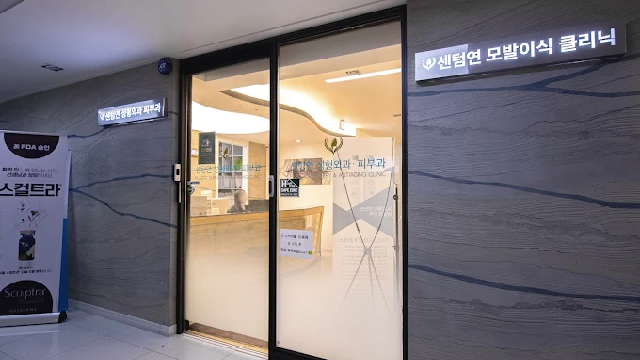
Centum Yeon Clinic offers ligament strengthening injection within the context of a physician-led pain management program that understands chronic musculoskeletal pain as a structural problem requiring structural solutions — not merely an inflammatory condition requiring indefinitely repeated symptom suppression. Dr. Yung Kim's deep anatomical expertise, regenerative medicine background as Clinical Key Doctor for BENEV MGF Growth Factor Therapy, and personal involvement in every injection session provide the clinical foundation that effective connective tissue regeneration therapy demands.
The integration of ligament strengthening injection within Centum Yeon's Chronic Pain Management protocol — alongside TPI injection, mineral IV therapy, and fluid therapy — reflects a genuinely comprehensive approach to non-surgical pain relief: one that addresses the structural connective tissue dimension of pain while simultaneously supporting the systemic biological environment that determines how effectively regeneration occurs and how durably relief is maintained.
Physician-administered regenerative injection therapy by Dr. Yung Kim — Clinical Key Doctor for BENEV MGF Growth Factor Therapy and deep anatomical expertise specialist — with individual connective tissue assessment and personally performed injection at every session
Structural regenerative approach that addresses the connective tissue source of chronic pain rather than managing inflammatory symptoms alone — producing more durable results than conventional anti-inflammatory injection
Integrated Chronic Pain Management protocol — ligament strengthening designed as a structural complement to TPI trigger point relief, mineral IV support, and fluid therapy for comprehensive, multi-level non-surgical pain management
Multilingual international patient support in Korean, English, Japanese, Chinese, and Indonesian — with a dedicated team of nine ensuring exceptional continuity of care for patients traveling from across Asia
Patient Experiences at Centum Yeon Clinic
Chronic Lower Back Pain Patient, 50s A patient in her early fifties with a decade of chronic lower back pain — attributed to sacroiliac joint instability following an earlier injury — came to Centum Yeon Clinic after finding that conventional pain management had consistently provided only temporary relief without addressing the underlying instability. Following a clinical assessment with Dr. Kim that identified sacroiliac and lumbar ligament laxity as the primary structural source of her pain, she underwent a course of ligament strengthening injections coordinated with IV infusion therapy for systemic recovery support. Over the eight weeks following her initial treatment course she reported a meaningful and sustained reduction in lower back pain intensity and a significant improvement in spinal stability during daily activities — describing it as the most durable relief she had achieved in years.
Knee Ligament Patient, 40s A patient in his early forties with persistent knee pain and instability following an incompletely healed ligament sprain came to Centum Yeon Clinic seeking a non-surgical alternative to the surgical intervention he had been advised to consider. Dr. Kim's assessment confirmed significant knee ligament laxity as the primary source of his pain and instability, and a course of ligament strengthening injections was designed and administered personally by Dr. Kim. Over the course of treatment he reported progressive improvements in knee stability, reduced pain during movement, and a growing confidence in his knee during physical activity. He appreciated the thoroughness of Dr. Kim's assessment and the clinic's clear communication about the regenerative timeline and realistic expectations for his recovery.
Restore Your Structural Foundation and Relieve Chronic Pain at Centum Yeon Clinic
Chronic pain that originates from weakened ligaments and tendons will not resolve through rest, muscle treatment, or inflammation management alone — because its cause is structural, and structural problems require structural solutions. At Centum Yeon Clinic, Ligament Strengthening Injection Therapy offers a non-surgical regenerative path to restoring the connective tissue integrity your joints need for stable, pain-free movement — administered with anatomical precision by Dr. Yung Kim, whose expertise in both regenerative medicine and musculoskeletal anatomy makes him uniquely equipped to address the connective tissue dimension of your pain. Reach out today and take the first step toward a body that moves with the freedom and ease it was designed for.
[Book Your Ligament Strengthening Injection Consultation at Centum Yeon Clinic]
Other Services
Explore additional treatments offered by our specialists.
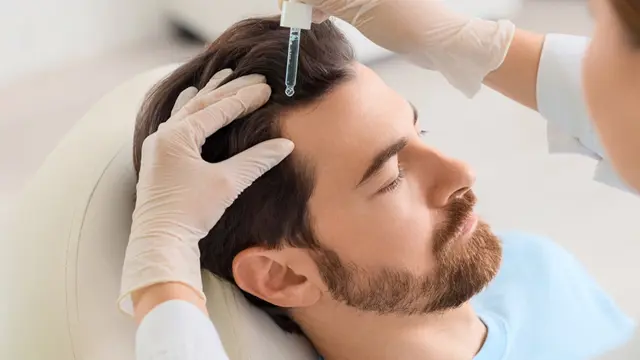
Non-Incisional Hair Transplant
Non-incisional no-shave hair transplant is a premium surgical hair restoration technique that extracts individual follicular units from the donor area one by one — without making a linear incision and without requiring the patient to shave their head before surgery.
Learn More

Petit Treatments
Petit treatments represent a category of medical aesthetic care that prioritizes precision, personalization, and long-term skin health over single-session fixes.
Learn More
Ligament Strengthening Injection
Ligament strengthening injection therapy is a non-surgical regenerative treatment designed to address one of the most common and clinically underappreciated sources of chronic musculoskeletal pain — weakened, lax, or damaged ligaments and tendons that have lost their structural integrity and.
Learn More