Personalized Medical Care & Dedicated International Patient Concierge


Medical Guide
Skin Lifting & Laser Costs Korea vs Japan: 2026 Price Comparison Guide
The landscape of medical aesthetics in East Asia has evolved into a highly sophisticated market, driven by changing patient demographics and rapid technical innovations.
Schedule a ConsultationThe landscape of medical aesthetics in East Asia has evolved into a highly sophisticated market, driven by changing patient demographics and rapid technical innovations. As regional travel remains highly accessible, patients between the ages of 30 and 70 regularly cross-reference treatment options across major hubs. For many individuals evaluating advanced skin rejuvenation, the primary comparison often comes down to two major destinations: South Korea and Japan.
According to a recent East Asian medical tourism market report, facial skin lifting and energy-based laser treatments have experienced a compound annual growth rate (CAGR) of over 12% leading into 2026. Data from regional healthcare surveys indicate that while both countries offer top-tier dermatological care, substantial differences exist in cost structures, device availability, and procedural philosophy. This comparison guide provides a transparent, data-backed analysis of skin lifting and laser costs between South Korea and Japan, helping patients make informed clinical and financial decisions. At Centum Yeon Clinic, this systematic breakdown serves to educate patients on the value of precision, technology-driven care.
Facial Skin Laxity and Anti-Aging Laser Market Trends in East Asia
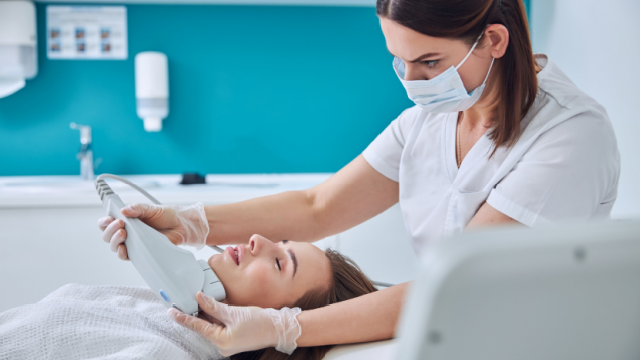
The demand for non-invasive aesthetic procedures has risen sharply as patients seek to address structural skin aging without the prolonged downtime of traditional plastic surgery. Clinical registries show that periorbital wrinkles, sagging jawlines, and overall dermal thinning remain the top concerns for patients in the 30 to 70 age bracket. A nationwide survey evaluating regional medical distribution notes that Seoul, particularly districts like Gangnam, maintains the highest density of advanced energy-based devices (EBDs) globally, which heavily influences local market pricing and clinical volume compared to Tokyo or Osaka.
Standard Non-Invasive Lifting Treatments: Options and Market Benchmarks
To understand regional cost variations, it is necessary to examine the primary standard approaches utilized across both nations. Non-surgical lifting relies primarily on two energy modalities: High-Intensity Focused Ultrasound (HIFU) and Monopolar Radiofrequency (RF).
- High-Intensity Focused Ultrasound (HIFU): Targets the deep Submuscular Aponeurotic System (SMAS) layer to induce thermal coagulation zones, triggering deep tissue contraction and long-term neocollagenesis (collagen renewal).
- Monopolar Radiofrequency (RF): Delivers volumetric heating through the dermis, causing immediate triple-helix collagen contraction and stimulating sustained structural tightening over three to six months.
- Ablative and Non-Ablative Fractional Lasers: Utilized for surface texture refinement, addressing fine lines and pigmentary changes by creating microscopic thermal zones in the skin.
Common Clinical Pain Points of Standard Protocols
While effective, standard single-device applications often present clear limitations for patients:
- Inconsistent Energy Delivery: Standard applications may lack real-time impedance tracking, occasionally leading to variable thermal distribution or localized surface burns.
- Repetitive Treatment Maintenance: Certain entry-level local devices require sessions every 3 to 4 months to maintain results, multiplying the long-term cost and clinical visits.
- Downtime Fluctuations: Older fractional laser systems can cause prolonged post-treatment erythema (redness) and peeling, disrupting the fast-paced schedules of modern patients.
Advanced Dual-Mode Energy-Based Lifting Protocols: High-Precision Structural Tightening
To mitigate the limitations of single-device treatments, advanced aesthetic protocols now utilize specialized combination frameworks. At Centum Yeon Clinic, this is delivered via Dual-Mode Energy-Based Lifting Protocols, which systematically integrate high-intensity focused ultrasound with real-time impedance-matched monopolar radiofrequency in a single, high-precision clinical session.
By adjusting the depth of energy penetration dynamically, this approach addresses skin laxity at both the superficial dermal layer and the deep SMAS architecture simultaneously. This synergistic methodology maximizes collagen structural remodeling while using lower overall energy thresholds per pulse, minimizing surface irritation and protecting the delicate epidermal layer.
Is an Advanced Dual-Mode Energy-Based Lifting Protocol in Korea worth the cost?
Yes. By combining deep tissue visualization with multi-level energy delivery, these protocols achieve more comprehensive structural tightening than single-source treatments. This precision often reduces the required annual treatment frequency, making it a highly cost-effective path for long-term skin health.
Data and Outcomes: International Cost and Performance Benchmarking
International price structures vary significantly due to medical device import regulations, operational overhead, and sheer procedure volumes. While Japanese clinics operate on a conservative, highly individualized appointment model, South Korean institutions benefit from centralized medical infrastructure and high clinical throughput.
The following data outlines the realistic average price benchmarks observed in the regional market for equivalent high-specification energy-based treatments in 2026.
| Treatment Category | South Korea Average Cost Range (USD) | Japan Average Cost Range (USD) | Primary Structural Target | Typical Recovery Window |
|---|---|---|---|---|
| Premium High-Intensity Focused Ultrasound (e.g., 600 Shots) | $700 - $1,200 | $1,500 - $2,400 | SMAS Layer / Deep Fascia | 0 - 2 Days (Mild swelling) |
| Premium Monopolar Radiofrequency (e.g., 600 Tips) | $1,100 - $1,800 | $2,200 - $3,500 | Deep Dermis / Collagen Matrix | 1 Day (Transient redness) |
| Dual-Mode Energy-Based Lifting Protocols (Combined Session) | $1,600 - $2,500 | $3,200 - $5,000 | Full-Thickness Skin Architecture | 1 - 3 Days (Minimal disruption) |
| Fractional Skin Resurfacing Laser (Per Session) | $250 - $500 | $600 - $1,100 | Epidermis and Upper Dermis | 3 - 7 Days (Social downtime) |
Qualitatively, the advanced dual-mode pathway demonstrates a higher initial satisfaction index in patient-reported outcome measures due to immediate visible contraction and fewer overall maintenance sessions required per year.
Local Insights: The South Korean Clinical Environment
The preferences of South Korean patients strongly dictate the country's medical offerings. Local patients demand highly sophisticated, tech-driven care with minimal social downtime and rapid, demonstrable outcomes. This fast-paced environment has turned Seoul into a global proving ground for energy-based systems.
Furthermore, the regulatory framework in South Korea allows for the swift adaptation of newly cleared aesthetic technologies, ensuring clinics have access to the most updated software, cooling mechanisms, and ergonomic treatment tips. This infrastructure aligns perfectly with international patients traveling under tight schedules who expect maximum procedural safety and immediate return to regular activities.
Where Centum Yeon Clinic Fits in Skin Lifting and Laser Care in Korea
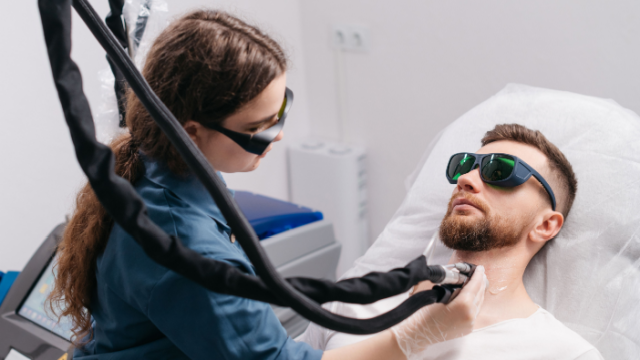
Centum Yeon Clinic addresses the demands of the East Asian aesthetic market by providing meticulously calibrated skin tightening solutions. Specializing in Dual-Mode Energy-Based Lifting Protocols, the clinic rejects generic shot counts in favor of anatomical mapping and real-time dermal impedance testing. This customized delivery ensures that energy is focused precisely where structural tissue deficiencies exist.
The medical team at Centum Yeon Clinic consists of board-certified dermatologists and clinical specialist Dr. Yung Kim with over 15 years of dedicated experience in energy-based device mechanics and facial anatomy. Active members of the Korean Society for Laser Medicine and Surgery lead the diagnostic process, ensuring that every protocol is backed by evidence-based parameters. This technical oversight maximizes energy safety boundaries while targeting the precise physiological layers necessary to improve long-term skin elasticity.
Conclusion
The decision to undergo aesthetic skin rejuvenation involves balancing safety, procedural precision, and clear financial benchmarking. While Japan offers highly detailed, individualized care paths, South Korea's advanced medical infrastructure provides access to leading-edge Dual-Mode Energy-Based Lifting Protocols at a highly competitive global price ratio. By selecting a clinic focused on evidence-based, high-precision parameters, patients can achieve durable structural rejuvenation that significantly enhances long-term skin health.
Patients considering Dual-Mode Energy-Based Lifting Protocols in Korea can schedule a consultation with Centum Yeon Clinic to discuss whether this approach may be suitable for their specific condition and goals.
More Articles
Continue reading our clinical guides.
Skin Lifting & Laser Costs Korea vs Japan: 2026 Price Comparison Guide
The landscape of medical aesthetics in East Asia has evolved into a highly sophisticated market, driven by changing patient demographics and rapid technical innovations.
Learn More

IV Drip Therapy for Energy, Immunity & Skin Glow
Boost energy, immunity, and skin glow with IV Drip Therapy tailored to your wellness goals. Book a consultation and feel refreshed today.
Learn More

What Is Scalp Deep Scaling? Benefits, Process & Who Needs It
Discover what scalp deep scaling is, how it works, and who needs it. Learn the benefits for healthier hair and scalp—book your consultation today.
Learn More