Personalized Medical Care & Dedicated International Patient Concierge


Medical Guide
What Is Scalp Deep Scaling? Benefits, Process & Who Needs It
Discover what scalp deep scaling is, how it works, and who needs it. Learn the benefits for healthier hair and scalp—book your consultation today.
Schedule a Consultation
Healthy hair begins with a healthy scalp. While many people focus on shampoos, conditioners, and styling products, scalp care is often overlooked despite playing a major role in hair and skin health. Excess oil, dead skin cells, sweat, product buildup, and environmental pollutants can accumulate on the scalp over time, potentially leading to itchiness, flakes, irritation, unpleasant odor, and even worsening hair thinning in some individuals.
At Centum Yeon Clinic, Dr. Yung Kim offers scalp deep scaling as part of a comprehensive scalp and hair care approach designed to support scalp hygiene, comfort, and overall hair health. This non-surgical treatment focuses on deeply cleansing the scalp while helping maintain a balanced scalp environment.
Understanding the Importance of Scalp Health
The scalp contains thousands of hair follicles and sebaceous glands that produce natural oils. These oils help protect the scalp and hair shaft, but when excessive buildup occurs, the scalp environment may become unbalanced.
Common scalp concerns include:
Excess sebum production
Product residue buildup
Dead skin accumulation
Dandruff or flaking
Scalp sensitivity
Itching or irritation
Oily scalp conditions
Congested hair follicles
In some cases, poor scalp hygiene may contribute to discomfort or create conditions that interfere with optimal hair growth. Although scalp deep scaling is not a cure for hair loss disorders, maintaining a clean and healthy scalp may support healthier hair management and improve overall scalp condition.
What Is Scalp Deep Scaling?
Scalp deep scaling is a professional scalp cleansing and exfoliation treatment designed to remove impurities from the scalp surface and hair follicles. Unlike routine shampooing at home, the procedure uses specialized cleansing solutions, exfoliation techniques, scalp analysis equipment, and therapeutic scalp care devices to deeply clean areas that are difficult to manage with regular washing alone.
The treatment may include:
Scalp analysis
Gentle exfoliation
Sebum and keratin removal
Pore cleansing
Hydration therapy
Scalp massage
Soothing scalp care solutions
Light or device-based scalp therapy
The overall goal is to create a cleaner scalp environment while improving comfort and scalp balance.
Common Signs You May Need Scalp Deep Scaling
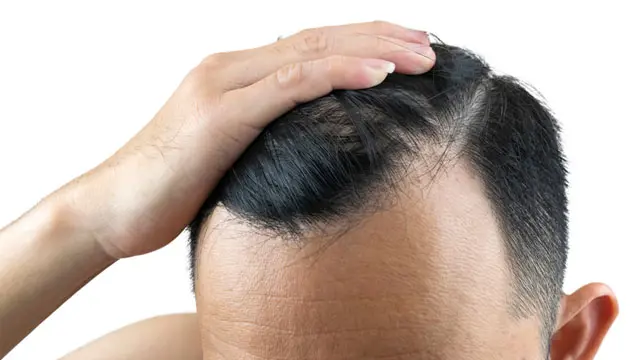
Many individuals do not realize that their scalp condition may benefit from professional care. Some common signs include:
Persistent Oily Scalp
If the scalp becomes greasy shortly after washing, excess sebum production and clogged follicles may be contributing factors.
Flaking and Dandruff
Scalp flakes can develop from dryness, irritation, or excessive oil buildup. Professional cleansing may help remove accumulated debris and improve scalp hygiene.
Scalp Odor
Sweat, oil, and bacteria accumulation may contribute to persistent scalp odor despite regular washing.
Itching or Irritation
An irritated scalp can result from buildup, sensitivity, or imbalance in scalp condition.
Heavy Product Use
People who frequently use hair sprays, dry shampoos, waxes, or styling products may develop residue buildup over time.
Hair Thinning Concerns
Although scalp deep scaling does not directly treat medical hair loss conditions, maintaining follicle cleanliness may support healthier scalp management in individuals concerned about thinning hair.
Who Is a Candidate for Scalp Deep Scaling?
Scalp deep scaling may be suitable for a wide range of individuals, particularly those experiencing scalp discomfort or buildup-related concerns.
Potential candidates include:
Individuals with oily scalp conditions
People experiencing dandruff or flaking
Patients with scalp itchiness
Those exposed to pollution or sweat frequently
Individuals using heavy styling products
People interested in preventive scalp care
Patients seeking supportive scalp maintenance alongside hair restoration programs
However, patients with active infections, open wounds, severe inflammatory scalp disease, or certain dermatologic conditions may require medical evaluation before treatment.
At Centum Yeon Clinic, scalp condition assessments are typically performed before recommending treatment plans.
The Scalp Deep Scaling Process
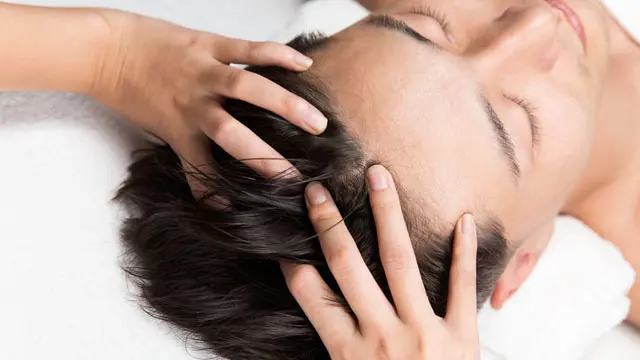
The procedure is generally comfortable and performed in an outpatient clinical setting. Treatment steps may vary depending on scalp condition and individual needs.
Step 1: Scalp Examination
The process often begins with scalp imaging or microscopic scalp analysis. This allows the medical team to evaluate:
Sebum levels
Follicle congestion
Scalp sensitivity
Flaking patterns
Scalp hydration
This assessment helps personalize the treatment approach.
Step 2: Cleansing and Exfoliation
Specialized scalp cleansers and exfoliating solutions are applied to loosen debris, dead skin cells, and excess oils from the scalp surface.
Gentle exfoliation techniques help cleanse the scalp without excessive irritation.
Step 3: Deep Follicle Cleansing
Professional scalp care devices may be used to remove accumulated sebum and impurities from hair follicles and scalp pores.
This step focuses on improving scalp cleanliness and reducing buildup.
Step 4: Hydration and Soothing Care
After exfoliation, calming and hydrating solutions may be applied to restore scalp comfort and moisture balance.
Some treatments include cooling therapy or nourishing scalp serums.
Step 5: Scalp Massage and Finishing Care
Light scalp massage techniques may help improve comfort and relaxation while supporting circulation to the scalp area.
The session usually concludes with scalp protection and personalized aftercare recommendations.
Benefits of Scalp Deep Scaling
While results vary depending on individual scalp condition, scalp deep scaling may offer several potential benefits.
Improved Scalp Cleanliness
The procedure helps remove oil, residue, sweat, and dead skin cells that can accumulate over time.
Reduced Oiliness
By deeply cleansing follicles and removing excess sebum, some individuals notice a fresher and less oily scalp feeling.
Relief From Scalp Discomfort
Patients experiencing itchiness or mild irritation related to buildup may experience temporary improvement in scalp comfort.
Better Scalp Environment
A cleaner scalp may support healthier hair maintenance and overall scalp balance.
Enhanced Hair Appearance
Some individuals report that hair feels lighter, cleaner, and more manageable after treatment.
Supportive Preventive Care
Professional scalp maintenance may help individuals proactively manage scalp hygiene as part of a broader hair care routine.
Recovery and Aftercare
Scalp deep scaling generally requires little to no downtime. Most patients can return to normal daily activities shortly after treatment.
Following treatment, patients may receive guidance such as:
Using gentle scalp-friendly shampoos
Avoiding harsh chemical treatments temporarily
Limiting excessive heat styling
Maintaining regular scalp hygiene
Staying hydrated
Mild temporary redness or sensitivity can occasionally occur after exfoliation, but this usually resolves quickly.
The frequency of scalp deep scaling varies depending on scalp condition, lifestyle, and individual goals. Some patients may benefit from periodic maintenance sessions.
Safety and Realistic Expectations
Scalp deep scaling is generally considered a non-invasive scalp care procedure when performed in an appropriate clinical setting. However, results vary between individuals, and the treatment should not be viewed as a guaranteed solution for hair loss or medical scalp disease.
Patients with persistent scalp symptoms or significant hair thinning should undergo professional medical evaluation to identify possible underlying causes.
At Centum Yeon Clinic, treatment recommendations are tailored based on scalp condition, patient concerns, and overall scalp health goals.
Dr. Yung Kim’s Approach to Scalp and Hair Care
Dr. Yung Kim focuses on individualized scalp and aesthetic care supported by patient-centered consultation and detailed scalp assessment. At the clinic, scalp deep scaling may be integrated into broader scalp wellness and hair care programs depending on patient needs.
The clinic emphasizes:
Personalized scalp analysis
Individualized treatment planning
Hygiene-focused scalp management
Non-surgical supportive care
Comprehensive aesthetic and wellness services
Located in Haeundae-gu, Busan, Centum Yeon Clinic provides scalp care, skin rejuvenation, anti-aging treatments, and aesthetic services for both local and international patients.
Final Thoughts
Scalp deep scaling is a professional scalp cleansing treatment designed to improve scalp hygiene, remove buildup, and support a healthier scalp environment. For individuals struggling with oiliness, flakes, scalp discomfort, or heavy product buildup, professional scalp care may provide additional support beyond routine shampooing.
Although the treatment is not a substitute for medical treatment of scalp disease or hair loss disorders, maintaining scalp cleanliness and balance can play an important role in overall hair and scalp wellness. Under professional guidance, scalp deep scaling may become part of a long-term scalp maintenance and preventive care routine.
More Articles
Continue reading our clinical guides.
Skin Lifting & Laser Costs Korea vs Japan: 2026 Price Comparison Guide
The landscape of medical aesthetics in East Asia has evolved into a highly sophisticated market, driven by changing patient demographics and rapid technical innovations.
Learn More

IV Drip Therapy for Energy, Immunity & Skin Glow
Boost energy, immunity, and skin glow with IV Drip Therapy tailored to your wellness goals. Book a consultation and feel refreshed today.
Learn More
What Is Scalp Deep Scaling? Benefits, Process & Who Needs It
Discover what scalp deep scaling is, how it works, and who needs it. Learn the benefits for healthier hair and scalp—book your consultation today.
Learn More